Injured epithelial cell states impact kidney allograft survival after T-cell-mediated rejection
Stacks Image 32444
T-cell-mediated rejection (TCMR) remains a major cause of kidney transplant failure, despite being considered treatable. Its impact reflects a limited understanding of the underlying molecular mechanisms and their clinical consequences. To address this, we induced acute TCMR in mouse kidney transplants and profiled molecular changes using single-nucleus RNA sequencing (snRNA-seq), spatial transcriptomics and immunofluorescence. Results were compared with human snRNA-seq data from TCMR and stable allografts, as well as single-cell deconvolution analysis of bulk transcriptomic data from kidney transplant biopsies. Here we show that TCMR induces injured epithelial cell states in mouse kidney allografts, particularly in proximal tubules and thick ascending limbs. Spatial transcriptomics of these injured epithelial states demonstrated heterogeneous localization, interactions with immune cells and cellular microenvironments. Cross-species analysis confirmed similar severely injured epithelial states in human samples, whose abundances correlated with transplant survival and persisted despite TCMR resolution. Collectively, our results identify epithelial injury cell states as a determinant of outcome after TCMR.

The paper entitled "Injured epithelial cell states impact kidney allograft survival after T-cell-mediated rejection." by A.M. Pfefferkorn, L. Jahn, P.T. Gauthier, V.A. Kulow, J. Roeles, N. Müller-Bötticher, L.M.S. Gerhardt, J. Leiz, S. Sarfraz, I. Plumbom, R. Greite, S. Lovric, J. Gamrekelashvili, F. Limbourg, J. Schmitz, J.H. Bräsen, I. Scheffner, I.M. Sauer, F. Aigner, J. Altmüller, T. Conrad, W. Gwinner, N. Ishaque, M. Fähling, K.M. Schmidt-Ott, P.F. Halloran, M.I. Ashraf, and C. Hinze is available in the January 2026 issue of Nature Communications.
Assessing age and cold ischemia effects on liver tissue viscoelastic propertie
Stacks Image 32426
L.M. Skrip, L. Boerger, K.A. Walter, A. Arnold, L.A. Böhne, E. Keshi, A.S. Pietsch, N. Raschzok, T.A. Auer, U. Fehrenbach, F. Krenzien, J. Pratschke, I.M. Sauer, J. Guo, J. Braun, M. Tzschätzsch, I. Sack, K.H. Hillebrandt, and S. Moosburner evaluated whether magnetic resonance elastography (MRE) can assess liver graft quality after normothermic machine perfusion (NMP) in the context of liver transplantation. Because of organ shortages, extended criteria donor livers are increasingly used, but factors such as older donor age and prolonged cold ischemia time (CIT) can impair graft quality.
Using a rat liver NMP model, 24 livers underwent 6 or 12 hours of cold ischemia followed by 6 hours of NMP. Ex vivo multifrequency MRE was used to measure liver viscoelastic properties, including the power-law exponent (α) and shear modulus (μ).
Results showed that all liver samples displayed predominantly viscous-fluid characteristics (α > 0.5). The highest α values were found in young livers with short CIT, indicating better tissue properties, while older livers with prolonged CIT had significantly lower α values, suggesting impaired viscoelasticity. Additionally, shear modulus was lowest in young livers with short CIT, distinguishing them from the other groups.
Overall, the findings indicate that extended cold ischemia and older donor age impair liver tissue mechanics even after NMP. MRE may serve as a complementary imaging tool alongside MRI and histological analysis to evaluate liver graft quality during machine perfusion.
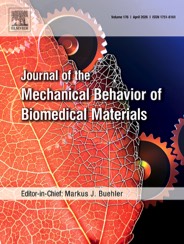
The paper "Assessing age and cold ischemia effects on liver tissue viscoelastic properties: Implications for graft quality assessment with MRE during machine perfusion" is available in Journal of the Mechanical Behavior of Biomedical Materials 2026; 175: 107291.

 Page 1 / 1 
Year
© 2025 Prof. Dr. Igor M. Sauer | Charité - Universitätsmedizin Berlin | Disclaimer

This website or its third-party tools use cookies, which are necessary to its functioning and required to achieve the purpose illustrated in the Disclaimer. By closing this banner, scrolling this page, clicking a link or continuing to browse otherwise, you agree to the use of cookies.