Surgical planning in virtual reality: a systematic review
Stacks Image 28265
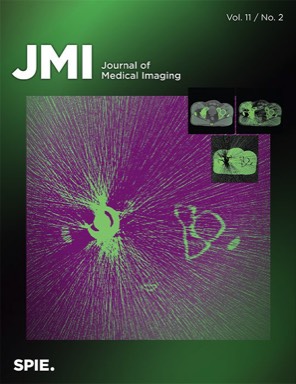
We just published a review on surgical planning in VR in the Journal of Medical Imaging. In the systematic review we look into how virtual reality (VR) is transforming surgical planning. With VR physicians can assess patient-specific image data in 3D, enhancing surgical decision-making and spatial localization of pathologies. We found that benefits of VR become more evident. However, its application in surgical planning remains experimental, with a need for refined study designs, improved technical reporting, and enhanced VR software usability for effective clinical implementation. Authors of "Surgical planning in virtual reality: a systematic review" are Prof. Dr. Moritz Queisner and Karl Eisenträger.

Virtual reality (VR) technology has emerged as a promising tool for physicians, offering the ability to assess anatomical data in 3D with visuospatial interaction qualities. This systematic review aims to provide an up-to-date overview of the latest research on VR in the field of surgical planning.
A comprehensive literature search was conducted based on the preferred reporting items for systematic reviews and meta-analyses covering the period from April 1, 2021 to May 10, 2023. The review summarizes the current state of research in this field, identifying key findings, technologies, study designs, methods, and potential directions for future research. Results show that the application of VR for surgical planning is still in an experimental stage but is gradually advancing toward clinical use. The diverse study designs, methodologies, and varying reporting hinder a comprehensive analysis. Some findings lack statistical evidence and rely on subjective assumptions. To strengthen evaluation, future research should focus on refining study designs, improving technical reporting, defining visual and technical proficiency requirements, and enhancing VR software usability and design. Addressing these areas could pave the way for an effective implementation of VR in clinical settings.

Optimizing environmental enrichment for Sprague Dawley rats: Exemplary insights into the liver proteome
Stacks Image 28280
Considering the expected increase in the elderly population and the growing emphasis on aging-related biomedical research, the demand for aged laboratory animals has surged, challenging established husbandry practices. Our objective was to establish a cost-effective method for environmental enrichment, utilizing the liver as a representative organ to assess metabolic changes in response to differing enrichment levels.
We conducted a six-month study involving 24 male Sprague Dawley rats who were randomly assigned to four environmental enrichment groups. Two groups were housed in standard cages, while the others were placed in modified rabbit cages. Half of the groups received weekly playtime in an enriched rat housing unit. We evaluated hormone levels, playtime behavior, and subjective handling experience. Additionally, liver tissue proteomic analysis was performed.
Initial corticosterone levels and those after 3 and 6 months showed no significant differences. Yet, testosterone levels were lower in the control group by the end of the study (p=0.007). In the liver tissue, we detected 1,871 distinct proteins, with 77% of them being consistent across all groups. In gene ontology analysis, no specific pathways were overexpressed. In semiquantitative analysis, we observed differences in proteins associated in lipid metabolism such as Apolipoprotein A-I and Acyl-CoA 6-desaturase, which were lower in the control group (p= 0.024 and p=0.009). Enriched environments reduced rat distress, large cages eased handling, and conflicts between rats lessened with bi-weekly interactions.

The manuscript "Optimizing environmental enrichment for Sprague Dawley rats: Exemplary insights into the liver proteome" has been accepted for publication in PLOS ONE.
Authors are Nathalie N. Roschke, Karl H. Hillebrandt, Dietrich Polenz, Oliver Klein, Joseph MGV Gassner, Johann Pratschke, Felix Krenzien, Igor M. Sauer, Nathanael Raschzok, and Simon Moosburner.
Proteomic analysis of decellularized mice liver and kidney extracellular matrices
Stacks Image 28285
Based on the collaboration between the Department of General, Visceral, and Transplant Surgery, University Hospital Münster, and Experimental Surgery, Department of Surgery, Charité – Universitätsmedizin Berlin our work on the "Proteomic analysis of decellularized mice liver and kidney extracellular matrices" has been accepted for publication in Journal of Biological Engineering.

In this study, we employed a bottom-up proteomic approach to elucidate the intricate network of proteins in the decellularized extracellular matrices of murine liver and kidney tissues. This approach involved the use of a novel, perfusion-based decellularization protocol to generate acellular whole organ scaffolds. Proteomic analysis of decellularized mice liver and kidney ECM scaffolds revealed tissue-specific differences in matrisome composition, while we found a predominantly stable composition of the core matrisome, consisting of collagens, glycoproteins, and proteoglycans. Liver matrisome analysis revealed unique proteins such as collagen type VI alpha-6, fibrillin-2 or biglycan. In the kidney, specific ECM-regulators such as cathepsin z were detected. The identification of distinct proteomic signatures provides insights into how different matrisome compositions might influence the biological properties of distinct tissues. This experimental workflow will help to further elucidate the proteomic landscape of decellularized extracellular matrix scaffolds of mice in order to decipher complex cell-matrix interactions and their contribution to a tissue-specific microenvironment.

Authors are Anna-Maria Diedrich, Assal Daneshgar, Peter Tang, Oliver Klein, Annika Mohr, Olachi A. Onwuegbuchulam, Sabine von Rueden, Kerstin Menck, Annalen Bleckmann, Mazen A. Juratli, Felix Becker, Igor M. Sauer, Karl H. Hillebrandt, Andreas Pascher, and Benjamin Struecker.
miRNA as potential biomarkers after liver transplantation: A systematic review
Stacks Image 28304
The publication "miRNA as potential biomarkers after liver transplantation: A systematic review" is now available online in Transplantation Reviews. Authors are Pia F. Koch, Kristina Ludwig, Felix Krenzien, Karl H. Hillebrandt, Wenzel Schöning, Johann Pratschke, Nathanael Raschzok, Igor M. Sauer, and Simon Moosburner.

Early and accurate diagnosis of acute cellular rejection (ACR) and graft complications after liver transplantation is crucial for timely intervention and improved patient outcomes, but their diagnosis rely currently on invasive biopsy sampling, thus prompting the search for non-invasive Biomarkers. MicroRNA (miRNA) have emerged as promising biomarkers in various pathological conditions, and their potential utility in diagnosing acute cellular rejection after liver transplantation has gained significant interest.

This systematic review analyzes studies exploring miRNA as biomarkers for ACR and graft dysfunction in liver transplantation (PROSPERO ID CRD42023465278). The Cochrane Collaboration tool for assessing risk of bias was employed. Population data, identified miRNA and their dynamic regulation, as well as event prediction were compared. Data extraction and quality assessment were performed independently by two reviewers.

The results highlight the potential of miRNA as specific, non-invasive biomarkers for ACR and graft dysfunction following liver transplantation. However, further research is needed to validate these findings and establish standardized diagnostic panels to incorporate them into clinical practice and explore miRNA-based therapies in the future.
AI-based intra- and postoperative measurement from stereoimages
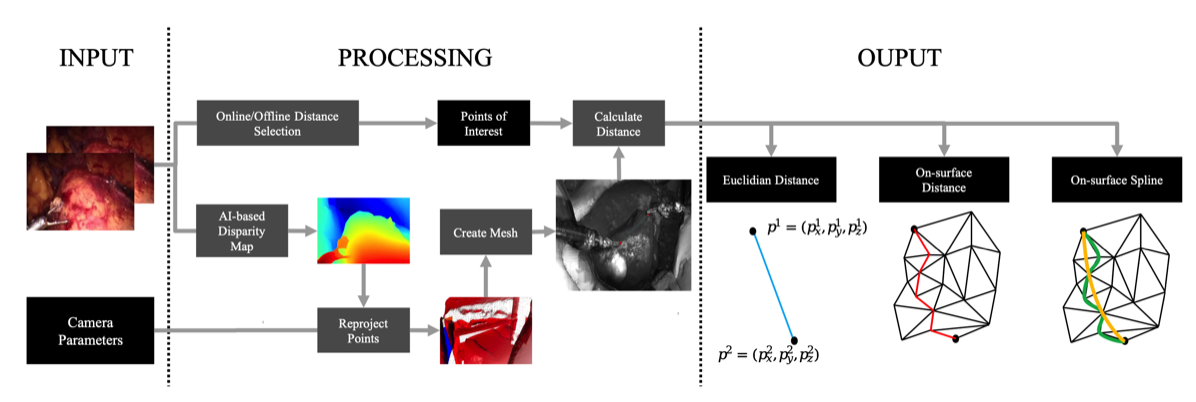
The publication "Redefining the Laparoscopic Spatial Sense: AI-based Intra- and Postoperative Measurement from Stereoimages“ has been accepted for the 38th AAAI Conference on Artificial Intelligence and is available via https://doi.org/10.48550/arXiv.2311.09744. The publication is the result of a fruitful collaboration between Karlsruhe Institute of Technology (KIT), Fraunhofer FIT, University of Bayreuth, and Charité – Universitätsmedizin Berlin. Authors are Leopold Müller, Patrick Hemmer, Moritz Queisner, Igor Sauer, Simeon Allmendinger, Johannes Jakubik, Michael Vössing, and Niklas Kühl.

A significant challenge in image-guided surgery is the accurate measurement task of relevant structures such as vessel segments, resection margins, or bowel lengths. While this task is an essential component of many surgeries, it involves substantial human effort and is prone to inaccuracies. In this paper, we develop a novel human-AI-based method for laparoscopic measurements utilizing stereo vision that has been guided by practicing surgeons. Based on a holistic qualitative requirements analysis, this work proposes a comprehensive measurement method, which comprises state-of-the-art machine learning architectures, such as RAFT-Stereo and YOLOv8. The developed method is assessed in various realistic experimental evaluation environments. Our results outline the potential of our method achieving high accuracies in distance measurements with errors below 1 mm. Furthermore, on-surface measurements demonstrate robustness when applied in challenging environments with textureless regions. Overall, by addressing the inherent challenges of image-guided surgery, we lay the foundation for a more robust and accurate solution for intra- and postoperative measurements, enabling more precise, safe, and efficient surgical procedures.

Stacks Image 28320
Rise of tissue- and species-specific 3D bioprinting based on decellularized extracellular matrix-derived bioinks and bioresins
Stacks Image 28335
The publication "Rise of tissue- and species-specific 3D bioprinting based on decellularized extracellular matrix-derived bioinks and bioresins" is now available online in Biomaterials and Biosystems. Authors are Laura Elomaa, Ahed Almalla, Eriselda Keshi, Karl H. Hillebrandt, Igor M. Sauer, and Marie Weinhart.

Thanks to its natural complexity and functionality, decellularized extracellular matrix (dECM) serves as an excellent foundation for creating highly cell-compatible bioinks and bioresins. This enables the bioprinted cells to thrive in an environment that closely mimics their native ECM composition and offers customizable biomechanical properties. To formulate dECM bioinks and bioresins, one must first pulverize and/or solubilize the dECM into non-crosslinked fragments, which can then be chemically modified as needed. In bioprinting, the solubilized dECM-derived material is typically deposited and/or crosslinked in a layer-by-layer fashion to build 3D hydrogel structures. Since the introduction of the first liver-derived dECM-based bioinks, a wide variety of decellularized tissue have been employed in bioprinting, including kidney, heart, cartilage, and adipose tissue among others. This review aims to summarize the critical steps involved in tissue-derived dECM bioprinting, starting from the decellularization of the ECM to the standardized formulation of bioinks and bioresins, ultimately leading to the reproducible bioprinting of tissue constructs.
Moderate LMWH anticoagulation improves success rate of hind limb allotransplantation in mice
Stacks Image 28347
The publication "Moderate LMWH Anticoagulation Improves Success Rate of Hind Limb Allotransplantation in Mice" is now available online in Plastic & Reconstructive Surgery-Global Open. Authors are B. Kern, M.-I. Ashraf, A. Reutzel-Selke, J. Mengwasser, D. Polenz, E. Michaels, J. Pratschke, S.G. Tullius, Ch. Witzel, and I.M. Sauer.

The mouse hind limb model represents a powerful research tool in vascularized composite tissue allotransplantation, but its applicability is limited due to poor graft survival (62%–83%). Vascular thrombosis and massive hemorrhage are the major causes for these drop-outs. We hypothesize that because of better anticoagulation effect and lower risk of thrombocytopenia, application of low molecular weight heparin (LMWH) will minimize vascular complications and enhance graft and animal survival.

Fifty allogeneic hind limb transplantations were performed (C57BL/6 to DBA/2 mice) using five different anticoagulation protocols. Bleeding and thromboembolic events were recorded macroscopically by postoperative hemorrhage and livid discoloration of the graft, respectively. Graft perfusion and survival were monitored daily by capillary-refill-time of graft toes within 2–3 seconds. Vascular congestion and tissue necrosis were examined by histological evaluation of hematoxylin-eosin-stained tissue sections.

All transplantations were technically successful. Increase in thromboembolic events and a concomitant decrease in bleeding events were observed with the decreasing concentration of heparin in the perfusion solution. Although treatment of donor and recipient with low dose of LMWH could not reduce thromboembolic events, moderate dose effectively reduced these events. Compared with the poor outcome of graft perfusion with heparin alone, additional treatment of donor and recipient with low dose of LMWH improved graft and animal survival by 18%. Interestingly, animals treated with moderate dose of LMWH demonstrated 100% graft and animal survival.
Treatment of donor and recipient mice with a moderate dose of LMWH prevents vascular complications and improves the outcome of murine hind limb transplants.
Solid fraction determines stiffness and viscosity in decellularized pancreatic tissues
Stacks Image 28536
The article „Solid fraction determines stiffness and viscosity in decellularized pancreatic tissues“ in Biomaterials Advances is now available online.
There is free access to a PDF of the article here until August 20, 2022!

The role of extracellular matrix (ECM) composition and turnover in mechano-signaling and the metamorphic fate of cells seeded into decellularized tissue can be elucidated by recent developments in non-invasive imaging and biotechnological analysis methods. Because these methods allow accurate quantification of the composition and structural integrity of the ECM, they can be critical in establishing standardized decellularization protocols. This study proposes quantification of the solid fraction, the single-component fraction and the viscoelasticity of decellularized pancreatic tissues using compact multifrequency magnetic resonance elastography (MRE) to assess the efficiency and quality of decellularization protocols. MRE of native and decellularized pancreatic tissues showed that viscoelasticity parameters depend according to a power law on the solid fraction of the decellularized matrix. The parameters can thus be used as highly sensitive markers of the mechanical integrity of soft tissues. Compact MRE allows consistent and noninvasive quantification of the viscoelastic properties of decellularized tissue. Such a method is urgently needed for the standardized monitoring of decellularization processes, evaluation of mechanical ECM properties, and quantification of the integrity of solid structural elements remaining in the decellularized tissue matrix.

Authors are Joachim Snellings, Eriselda Keshi, Peter Tang, Assal Daneshgar, Esther C. Willma, Luna Haderer, Oliver Klein, Felix Krenzien, Thomas Malink, Patrick Asbach, Johann Pratschke, Igor M. Sauer, Jürgen Braun, Ingolf Sack, and Karl Hillebrandt.

VolumetricOR | Surgical Innovation
Stacks Image 28561
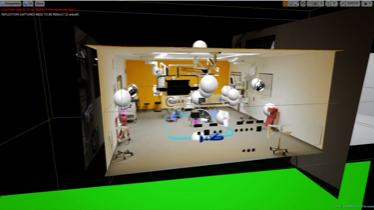
Our paper "VolumetricOR: A new Approach to Simulate Surgical Interventions in Virtual Reality for Training and Education" is available in the latest issue of Surgical Innovation.

Surgical training is primarily carried out through observation during assistance or on-site classes, by watching videos as well as by different formats of simulation. The simulation of physical presence in the operating theatre in virtual reality might complement these necessary experiences. A prerequisite is a new education concept for virtual classes that communicates the unique workflows and decision-making paths of surgical health professions (i.e. surgeons, anesthesiologists, and surgical assistants) in an authentic and immersive way. For this project, media scientists, designers and surgeons worked together to develop the foundations for new ways of conveying knowledge using virtual reality in surgery.
A technical workflow to record and present volumetric videos of surgical interventions in a photorealistic virtual operating room was developed. Situated in the virtual reality demonstrator called VolumetricOR, users can experience and navigate through surgical workflows as if they are physically present . The concept is compared with traditional video-based formats of digital simulation in surgical training.

VolumetricOR let trainees experience surgical action and workflows a) three-dimensionally, b) from any perspective and c) in real scale. This improves the linking of theoretical expertise and practical application of knowledge and shifts the learning experience from observation to participation.
Discussion: Volumetric training environments allow trainees to acquire procedural knowledge before going to the operating room and could improve the efficiency and quality of the learning and training process for professional staff by communicating techniques and workflows when the possibilities of training on-site are limited.

Authors are Moritz Queisner, Michael Pogorzhelskiy, Christopher Remde, Johann Pratschke, and Igor M. Sauer.
Tissue Engineering for the Diaphragm
"Tissue Engineering for the Diaphragm and its Various Therapeutic Possibilities – A Systematic Review" is available here in Advanced Therapeutics (open access).

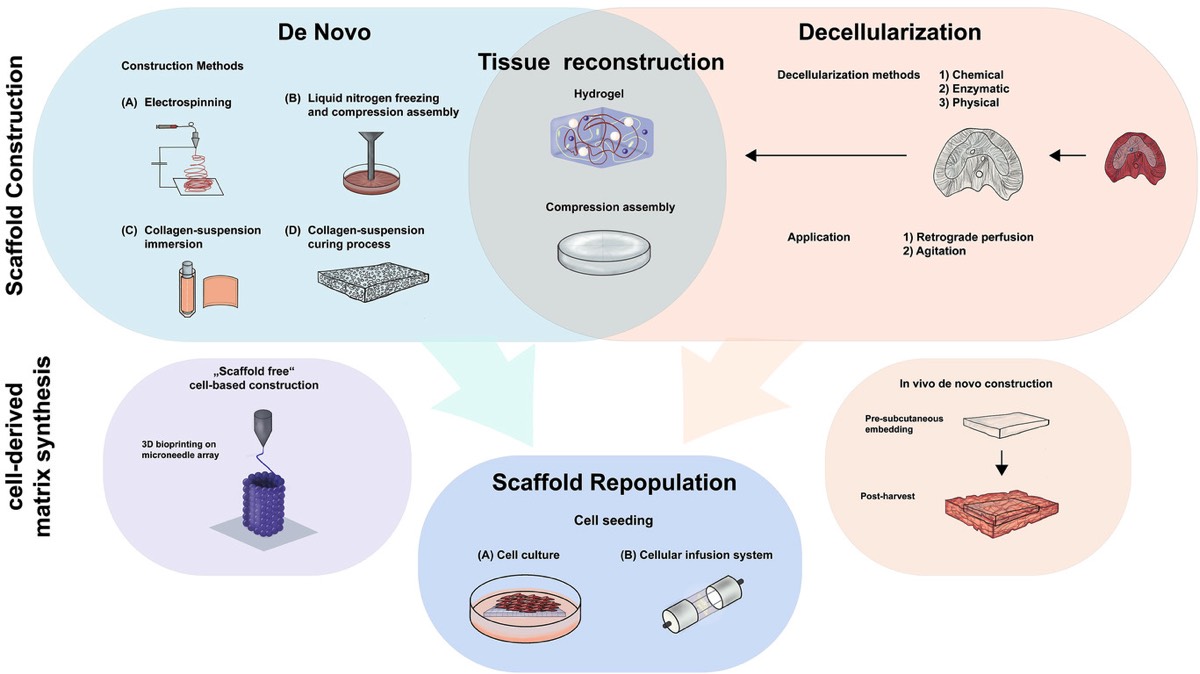
Diaphragmatic impairments exhibit high morbidity as well as mortality while current treatment options remain unsatisfactory. Tissue engineering (TE) approaches have explored the generation of an optimal biocompatible scaffold for diaphragmatic repair through tissue decellularization or de novo construction, with or without the addition of cells. The authors conducted a systematic review on the current state of the art in diaphragmatic tissue engineering (DTE) and found 24 articles eligible for final synthesis. The included approaches studied decellularization-based graft generation and de novo bioscaffold construction. Three studies focused on in vitro host-scaffold interaction with synthesized, recellularized grafts and decellularized extracellular matrix scaffolds. Another three studies investigated evaluation tools for decellularization efficacy. Among all studies, recellularization is performed in both decellularization-based and de novo generated scaffolds. De novo constructed biocomposites as well as decellularized and recellularized scaffolds induced pro-regenerative remodeling and recovery of diaphragmatic function in all examined animal models. Potential therapeutic applications comprise substance defects requiring patch repair, such as congenital diaphragmatic hernia, and functional diseases demanding an entire organ transplant, like muscular dystrophies or dysfunction after prolonged artificial respiration.

Autors are Agnes K. Boehm, Karl H. Hillebrandt, Tomasz Dziodzio, Felix Krenzien, Jens Neudecker, Simone Spuler, Johann Pratschke, Igor M. Sauer, and Marco N. Andreas.
Stacks Image 28571
Recellularization of decellularized bovine carotid arteries
Stacks Image 28669
"In vitro recellularization of decellularized bovine carotid arteries using human endothelial colony forming cells" was published in the latest issue of Journal of Biological Engineering.
Many patients suffering from peripheral arterial disease (PAD) are dependent on bypass surgery. However, in some patients no suitable replacements (i.e. autologous or prosthetic bypass grafts) are available. Advances have been made to develop autologous tissue engineered vascular grafts (TEVG) using endothelial colony forming cells (ECFC) obtained by peripheral blood draw in large animal trials. Clinical translation of this technique, however, still requires additional data for usability of isolated ECFC from high cardiovascular risk patients.
Bovine carotid arteries (BCA) were decellularized using a combined SDS (sodium dodecyl sulfate) -free mechanical-osmotic-enzymatic-detergent approach to show the feasibility of xenogenous vessel decellularization. Decellularized BCA chips were seeded with human ECFC, isolated from a high cardiovascular risk patient group, suffering from diabetes, hypertension and/or chronic renal failure. ECFC were cultured alone or in coculture with rat or human mesenchymal stromal cells (rMSC/hMSC). Decellularized BCA chips were evaluated for biochemical, histological and mechanical properties. Successful isolation of ECFC and recellularization capabilities were analyzed by histology.

Decellularized BCA showed retained extracellular matrix (ECM) composition and mechanical properties upon cell removal. Isolation of ECFC from the intended target group was successfully performed (80% isolation efficiency). Isolated cells showed a typical ECFC-phenotype. Upon recellularization, co-seeding of patient-isolated ECFC with rMSC/hMSC and further incubation was successful for 14 (n = 9) and 23 (n = 5) days. Reendothelialization (rMSC) and partial reendothelialization (hMSC) was achieved. Seeded cells were CD31 and vWF positive, however, human cells were detectable for up to 14 days in xenogenic cell-culture only. Seeding of ECFC without rMSC was not successful.

Using our refined decellularization process we generated easily obtainable TEVG with retained ECM- and mechanical quality, serving as a platform to develop small-diameter (< 6 mm) TEVG. ECFC isolation from the cardiovascular risk target group is possible and sufficient. Survival of diabetic ECFC appears to be highly dependent on perivascular support by rMSC/hMSC under static conditions. ECFC survival was limited to 14 days post seeding.
Authors are N. Seiffert, P. Tang, E. Keshi, A. Reutzel-Selke, S. Moosburner, H. Everwien, D. Wulsten, H. Napierala, J. Pratschke, I.M. Sauer, K. Hillebrandt, and B. Struecker.
J Biol Eng 15, 15 (2021). https://doi.org/10.1186/s13036-021-00266-5
Notch Signaling Pathway in Pancreatobiliary Tumors
Stacks Image 28684
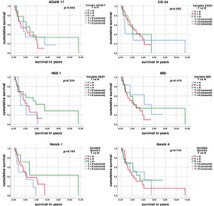
The Notch signaling pathway plays an important role both in the development of the ductal systems of the pancreas and the bile ducts as well as in cancer development and progression. The aim of this study was to examine the expression of central proteins of the Notch signaling pathway in pancreatobiliary tumors and its influence on patient survival.

Materials and Methods: We compared the receptors (Notch1, Notch4), activating splicing factors (ADAM17), and target genes (HES1) of the Notch pathway and progenitor cell markers with relevance for the Notch signaling pathway (CD44, MSI1) between pancreatic adenocarcinomas (PDAC, n = 14), intrahepatic cholangiocarcinoma (iCC, n = 24), and extrahepatic cholangiocarcinoma (eCC, n = 22) cholangiocarcinomas.

A significant overexpression of almost all studied components of the Notch signaling pathway can be found in the tumor tissue, however, without a significant influence on patient survival. Therefore, further studies are warranted to draw conclusions on Notch pathway's relevance for patient survival.

The paper "Notch Signaling Pathway in Pancreatobiliary Tumors" is available via Medicina, 2021;57(2):105. Authors are Francesca Borlak, Anja Reutzel-Selke, Anja Schirmeier, Julia Gogolok, Ellen von Hoerschelmann, Igor M Sauer, Johann Pratschke, Marcus Bahra, and Rosa B Schmuck.
Extended liver resection in mice: state of the art and pitfalls
Stacks Image 28689
"Extended liver resection in mice: state of the art and pitfalls – a systematic review" is available in ur J Med Res. 2021; 26(1):6.
Rodent models of liver resection have been used to investigate and evaluate the liver's complex physiology and pathology since 1931. First documented by Higgins and Anderson, such models were created to understand liver regeneration mechanisms to improve outcomes in patients undergoing extensive liver resection for liver cancer or other underlying liver diseases. A systematic search was conducted using Pubmed, gathering publications up to January 2019, which engaged with the mouse model of extended liver resection as a method itself. The results of this search were filtered according to their language, novelty, and relevancy.
Through the overview, laid out in the selected publications, this paper reviews the shift of the extended liver resection model from rat to the mouse, describes the state of the art in the experimental setting, and discusses the possible limitations and pitfalls. Clearly, the extended liver resection in mice is a reproducible, practical and easy to learn method.
Authors are Can Kamali, Kaan Kamali, Philipp Brunnbauer, Katrin Splith, Johann Pratschke, Moritz Schmelzle, and Felix Krenzien.
Declined Liver Grafts – Analysis of the German Donor Population from 2010 to 2018
Stacks Image 28750
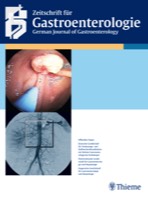
"Declined Liver Grafts – Analysis of the German Donor Population from 2010 to 2018" was published in the Zeitschrift für Gastroenterologie.
The lack of suitable allografts limits the availability of liver transplantation in Germany. The quality of potentially available German donor livers has to date not been analyzed.
Analysis of all donors for potential liver transplantations reported to the Eurotransplant by the German Organ Transplantation Foundation from 2010 to 2018. Categorization of transplanted and discarded organs utilizing available histopathological reports and predefined extended criteria for organ donation.
A total of 8594 livers were offered for transplantation, of which 15.2 % were discarded. During the analysis period the proportion of donor livers from extended criteria donors increased from 65 % to 70 % (p = 0.005). In 2018, 21.3 % of offered donor livers were discarded, more than half (56.4 %) of these organs came from donors meeting multiple extended criteria. Livers were significantly more likely to be not transplanted, when from donors of older age (> 65 years; 41 vs. 28 %), BMI > 30 kg/m2 (29 vs. 14 %) or elevated transaminase levels (all p < 0.001).
Despite the consistent organ scarcity in Germany, a relevant amount of livers cannot be transplanted due to a multitude of organ quality limitations. This should stimulate the search for concepts such as normothermic ex vivo machine perfusion to evaluate, protect and potentially improve organ quality.

Authors are Simon Moosburner, Nathanael Raschzok, Christina Schleicher, Detlef Bösebeck, Joseph M.G.V. Gaßner, Paul V. Ritschl, Axel Rahmel, Igor M. Sauer, and Johann Pratschke.
Z Gastroenterol. 2020 Aug 24. doi: 10.1055/a-1199-7432. Online ahead of print.
Felix Krenzien received Ferdinand-Sauerbruch Prize 2020
Stacks Image 28755
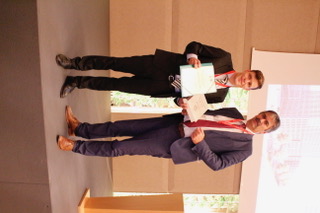
Priv.-Doz. Dr. Felix Krenzien received the Ferdinand-Sauerbruch Prize 2020 for his project and publication „The ILLS Laparoscopic Liver Surgery Fellow Skills Curriculum“ published in Annals of Surgery (online ahead of print).

Congratulations!

Laparoscopy is becoming the standard approach in liver surgery. As the degree of difficulty varies greatly from core skills to advanced procedures, strategies for teaching young surgeons need to be reconsidered. We here aimed to design a skills curriculum for LLR. Using the nominal group technique, 22 substeps of LLR were identified by 61 hepatobiliary surgeons. The raters were asked to rate (1) the difficulty of substeps and (2) the minimum number of times that the substep must be performed for mastery of the technique. According to the frequency of defined substeps, being estimated on the basis of high volume center experiences (n = 222 LLR; 1/2017-12/2018), the center's training capacity and defined goals for a 2-year fellowship were calculated.
Ten surgical substeps (45%) are routinely performed and can thus be taught sufficiently at centers carrying out ≥50 LLR in 2 years. As the mobilization of the right liver lobe and the dissection of the hepatic artery or portal vein is performed in only 27% and 28% of all LLR, respectively, sufficient training can only be provided at centers with ≥100 LLRs in 2 years. Mastery of complex parenchymal dissection (19%) and hilar lymphadenectomy (8%) can only be achieved in center performing ≥200 LLR in 2 years.
The authors suggest a stepwise approach for training of hepatobiliary fellows in LLR. Based on the estimated complexity of the substeps and the size of the center, not every substep can be learned within 2 years.

Authors are Felix Krenzien, Wenzel Schöning, Philipp Brunnbauer, Christian Benzing, Robert Öllinger, Matthias Biebl, Marcus Bahra, Nathanael Raschzok, Daniel Cherqui, David Geller, Ho-Seong Han, Go Wakabayashi, Moritz Schmelzle, Johann Pratschke, and the study group of the International Laparoscopic Liver Society (ILLS).
The Human Liver Matrisome
Stacks Image 28765
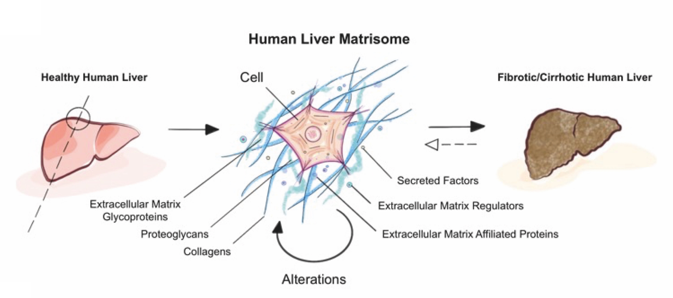
Biomaterials accepted our latest paper on „The Human Liver Matrisome – Proteomic Analysis of Native and Fibrotic Human Liver Extracellular Matrices for Organ Engineering Approaches“.

The production of biomaterials that endow significant morphogenic and microenvironmental cues for the constitution of cell integration and regeneration remains a key challenge in the successful implementation of functional organ replacements. Despite the vast development in the production of biological and architecturally native matrices, the complex compositions and pivotal figures by which the human matrisome mediates many of its essential functions are yet to be defined. Here we present a thorough analysis of the native human liver proteomic landscape using decellularization and defatting protocols to extract create extracellular matrix scaffolds of natural origin that can further be used in both bottom-up and top-down approaches in tissue engineering based organ replacements. Furthermore, by analyzing human liver extracellular matrices in different stages of fibrosis and cirrhosis, we have identified distinct attributes of these tissues that could potentially be exploited therapeutically and thus require further investigation. The general experimental pipeline presented in this study is applicable to any type of tissue and can be widely used for different approaches in regenerative medicine and in the construction of novel biomaterials for organ engineering approaches.

Authors are A. Daneshgar, O. Klein, G. Nebrich, M. Weinhart, P. Tang, A. Arnold, I. Ullah, J. Pohl, S. Moosburner, N. Raschzok, B. Strücker, M. Bahra, J. Pratschke, I.M. Sauer, and K.H. Hillebrandt. The authors acknowledge the support of the Cluster of Excellence Matters of Activity. Image Space Material funded by the Deutsche Forschungsgemeinschaft (DFG, German Research Foundation) under Germany´s Excellence Strategy – EXC 2025.
Stacks Image 28767
Ex vivo machine perfusion: current applications and future directions in liver transplantation
Stacks Image 28772
Langenbeck's Archives of Surgery accepted the manuscript „Ex vivo machine perfusion: current applications and future directions in liver transplantation“ for publication.

Liver transplantation is the only curative treatment option for end-stage liver disease, however, its use remains limited due to a shortage of suitable organs. In recent years, ex vivo liver machine perfusion has been introduced to liver transplantation, as a means to expand the donor organ pool.
To present a narrative review of prospective clinical studies on ex vivo liver machine perfusion, in order to assess current applications and highlight future directions.
Methods: A systematic literature search of both PubMed and ISI web of science databases as well as the ClinicalTrials.gov registry was performed.
Twenty articles on prospective clinical trials on ex vivo liver machine perfusion were identified. Out of these, eight reported on hypothermic, nine on normothermic, and two on sequential perfusion. These trials have demonstrated the safety and feasibility of ex vivo liver machine perfusion in both standard and expanded criteria donors. Currently, there are 12 studies enrolled in the clinicaltrials.gov registrar, and these focus on use of ex vivo perfusion in extended criteria donors as well as declined organs.
Ex vivo liver machine perfusion seems to be a suitable strategy to expand the donor pool for liver transplantation and holds promise as a platform for reconditioning diseased organs.

Authors are Julian Michelotto, Joseph MGV Gaßner, Simon Moosburner, Vanessa Muth, Madhukar S Patel, Markus Selzner, Johann Pratschke, Igor M. Sauer, and Nathanael Raschzok.
Ultrasound in augmented reality: a mixed-methods evaluation of head-mounted displays in image-guided interventions
Stacks Image 28784
The International Journal of Computer Assisted Radiology and Surgery accepted Christoph Rüger's paper on "Ultrasound in augmented reality: a mixed-methods evaluation of head-mounted displays in image-guided interventions" for publication.

Augmented reality (AR) and head-mounted displays (HMD) are current subjects of investigation in medical practice. A commonly proposed use-case of AR-HMDs is to display data in image-guided interventions. Although technical feasibility has been thoroughly shown, effects of AR-HMDs on interventions are not yet well researched, hampering clinical applicability. Therefore, the goal of this study is to better understand the benefits and limitations of this technology in ultrasound-guided interventions.
We used an AR-HMD system (based on Hololens, Microsoft Corp.) which overlays live ultrasound images spatially correctly at the location of the ultrasound transducer. We chose ultrasound-guided needle placements as a representative task for image-guided interventions. To examine the effects of the AR-HMD, we used mixed methods and conducted two studies in a lab setting: (1) in an experimental study, we asked participants to place needles into a training model and evaluated task duration and accuracy with the AR- HMD as compared to the standard procedure without visual overlay and (2) in a qualitative study, we analysed the user experience with AR-HMD using think-aloud protocols during ultrasound examinations and semi-structured interviews after the task.
Participants (n=20) placed needles more accurately (mean error of 7.4 mm vs. 4.9 mm, p=0.022) but not significantly faster (mean task duration of 74.4 s vs. 66.4 s, p=0.211) with the AR-HMD. All participants in the qualitative study (n=6) reported limitations of and unfamiliarity with the AR-HMD, yet all but one also clearly noted benefits and/or that they would like to test the technology in practice.
We present additional, though still preliminary, evidence that AR-HMDs provide benefits in image-guided procedures. Our data also contribute insights into potential causes underlying the benefits, such as improved spatial perception. Still, more comprehensive studies are needed to ascertain benefits for clinical applications and to clarify underlying mechanisms.

Authors are Christoph Rüger, Markus A. Feufel, Simon Moosburner, Christopher Özbek, Johann Pratschke, and Igor M. Sauer.
Dual versus single vessel normothermic ex vivo perfusion of rat liver grafts using metamizole for vasodilatation
Stacks Image 28794
F. Claussen, J.M.G.V. Gassner, S. Moosburner, D. Wyrwal, M. Nösser, P. Tang, L. Wegener, J. Pohl, A. Reutzel-Selke, R. Arsenic, J. Pratschke, I.M. Sauer, and N. Raschzok published their trecent work on "Dual versus single vessel normothermic ex vivo perfusion of rat liver grafts using metamizole for vasodilatation" in PLoS One 2020;15(7): e0235635.

Normothermic ex vivo liver perfusion (NEVLP) is a promising strategy to increase the donor pool in liver transplantation. Small animal models are essential to further investigate questions regarding organ preservation and reconditioning by NEVLP. A dual vessel small animal NEVLP (dNEVLP) model was developed using metamizole as a vasodilator and compared to conventional portovenous single vessel NEVLP (sNEVLP).

Livers of male Wistar rats were perfused with erythrocyte-supplemented culture medium for six hours by either dNEVLP via hepatic artery and portal vein or portovenous sNEVLP. dNEVLP was performed either with or without metamizole treatment. Perfusion pressure and flow rates were constantly monitored. Transaminase levels were determined in the perfusate at the start and after three and six hours of perfusion. Bile secretion was monitored and bile LDH and GGT levels were measured hourly. Histopathological analysis was performed using liver and bile duct tissue samples after perfusion.

Hepatic artery pressure was significantly lower in dNEVLP with metamizole administration. Compared to sNEVLP, dNEVLP with metamizole treatment showed higher bile production, lower levels of transaminases during and after perfusion as well as significantly lower necrosis in liver and bile duct tissue. Biochemical markers of bile duct injury showed the same trend.

Our miniaturized dNEVLP system enables normothermic dual vessel rat liver perfusion. The administration of metamizole effectively ameliorates arterial vasospasm allowing for six hours of dNEVLP, with superior outcome compared to sNEVLP.

Development of GelMA/PCL and dECM/PCL resins for 3D printing of acellular in vitro tissue scaffolds by stereolithography
Stacks Image 28799
Gelatin methacryloyl (GelMA) is a chemically modified extracellular matrix (ECM)-derived biopolymer that is widely used for 3D fabrication of tissue engineering scaffolds. However, its tendency for physical gelation limits its use in aqueous 3D printing resins to low concentrations, yielding a poor printing resolution in stereolithography (SLA).
To obtain a GelMA-based resin that can be printed into high-resolution tissue scaffolds, we formulated resins of fish and porcine-derived GelMA in formamide using GelMA alone or mixed with star-shaped poly(ε-caprolactone) methacrylate (PCL-MA). We identified GelMA resins and GelMA/PCL-MA hybrid resins with a ratio of 70/30 wt-% to yield a suitable viscosity for SLA at 32 °C and demonstrated the resolution of the new resins in SLA by 3D printing acellular human small intestine-mimicking tissue scaffolds. The presence of PCL-MA in the hybrid resins improved the 3D printing fidelity compared to the neat GelMA resins, while GelMA provided the hybrid materials with enhanced swelling and proliferation of seeded cells. We further demonstrated the transferability of our resin formulation to native organ-derived materials by successfully replacing GelMA in the hybrid resin with solubilized, methacryloyl-functionalized decellularized liver ECM (dECM-MA) and by 3D printing multi-layer dECM/PCL-MA hydrogels.

"Development of GelMA/PCL and dECM/PCL resins for 3D printing of acellular in vitro tissue scaffolds by stereolithography" was published in Mater Sci Eng C Mater Biol Appl. 2020 Jul;112:110958. Authors are L. Elomaa, E. Keshi, I.M. Sauer, and M. Weinhart.
Extended reality technologies for support of surgical workflows
Stacks Image 28806
Current developments in the field of extended reality (XR) could prove useful in the optimization of surgical workflows, time effectiveness and postoperative outcome. Although still primarily a subject of research, the state of XR technologies is rapidly improving and approaching feasibility for a broad clinical application. Surgical fields of application of XR technologies are currently primarily training, preoperative planning and intraoperative assistance. For all three areas, products already exist (some clinically approved) and technical feasibility studies have been conducted. In teaching, the use of XR can already be assessed as fundamentally practical and meaningful but still needs to be evaluated in large multicenter studies. In preoperative planning XR can also offer advantages, although technical limitations often impede routine use; however, for cases of intraoperative use informative evaluation studies are mostly lacking, so that an assessment is not yet possible in a meaningful way. Furthermore, there is a lack of assessments regarding cost-effectiveness in all three areas. The XR technologies enable proven advantages in surgical workflows despite the lack of high-quality evaluation with respect to the practical and clinical use of XR. New concepts for effective interaction with XR media also need to be developed. In the future, further research progress and technical developments in the field can be expected.

Authors are Christoph Rüger, Simon Moosburner and Igor M. Sauer (Chirurg 2020; 91(7): 544-552).
Magnetic resonance elastography quantification of decellularized liver tissue
Stacks Image 28816
"Magnetic resonance elastography quantification of the solid-to-fluid transition of liver tissue due to decellularization" was published in the latest issue of the Journal of the Mechanical Behavior of Biomedical Materials.

Maintenance of tissue extracellular matrix (ECM) and its biomechanical properties for tissue engineering is one of the substantial challenges in the field of decellularization and recellularization. Preservation of the organ-specific biomatrix is crucial for successful recellularization to support cell survival, proliferation, and functionality. However, understanding ECM properties with and without its inhabiting cells as well as the transition between the two states lacks appropriate test methods capable of quantifying bulk viscoelastic parameters in soft tissues.
We used compact magnetic resonance elastography (MRE) with 400, 500, and 600 Hz driving frequency to investigate rat liver specimens for quantification of viscoelastic property changes resulting from decellularization. Tissue structures in native and decellularized livers were characterized by collagen and elastin quantification, histological analysis, and scanning electron microscopy.
Decellularization did not affect the integrity of microanatomy and structural composition of liver ECM but was found to be associated with increases in the relative amounts of collagen by 83-fold (37.4 ± 17.5 vs. 0.5 ± 0.01 μg/mg, p = 0.0002) and elastin by approx. 3-fold (404.1 ± 139.6 vs. 151.0 ± 132.3 μg/mg, p = 0.0046). Decellularization reduced storage modulus by approx. 9-fold (from 4.9 ± 0.8 kPa to 0.5 ± 0.5 kPa, p < 0.0001) and loss modulus by approx. 7-fold (3.6 kPa to 0.5 kPa, p < 0.0001), indicating a marked loss of global tissue rigidity as well as a property shift from solid towards more fluid tissue behavior (p = 0.0097).
Our results suggest that the rigidity of liver tissue is largely determined by cellular components, which are replaced by fluid-filled spaces when cells are removed. This leads to an overall increase in tissue fluidity and a viscous drag within the relatively sparse remaining ECM. Compact MRE is an excellent tool for quantifying the mechanical properties of decellularized biological tissue and a promising candidate for useful applications in tissue engineering.

Authors are Hannah Everwien, Angela Ariza de Schellenberger, Nils Haep, Heiko Tzschätzsch, Johann Pratschke, Igor M. Sauer, Jürgen Braun, Karl H. Hillebrandt and Ingolf Sack.

J Mech Behav Biomed Mater. 2020 Apr;104:103640. doi: 10.1016/j.jmbbm.2020.103640. Epub 2020 Jan 14.
Characterization of pancreatic and biliary cancer stem cells in patient-derived tissue
Stacks Image 28821
Pancreatic ductal adenocarcinoma (PDAC) and extrahepatic cholangio-carcinoma (eCC) represent two cancer entities with devastating prognoses. Despite recent progress in research and treatment, therapy remains challenging. Cancer stem cells (CSCs) have been shown to play an important role in metastasis and chemoresistance. Therefore, CSCs may play a promising role as a potential therapeutic target.
A total of 31 patients (23 PDAC, 8 eCC) were included in the study. CSCs were analyzed in a single-cell suspension of tumor samples via fluorescence-activated cell scanning (FACS) with a functional Hoechst 33342 staining as well as a cell surface marker staining of the CSC-panel (CD24, CD44 and EpCAM) and markers to identify fibroblasts, leukocytes and components of the notch signaling pathway. Furthermore, the potential presence of CSCs among primary cancer-associated fibroblasts (CAFs) was assessed using the same FACS-panel.
We showed that CSCs are present in patient-derived dissociated tumor tissue. The functional and surface marker profile of CSC-detection did in fact correlate. The amount of CSCs was significantly correlated with tumor characteristics such as a higher UICC stadium and nodal invasion. CSCs were not restricted to the epithelial cell fraction in tumor tissues, which has been verified in independent analysis of primary cell cultures of CAFs.
Our study confirms the in vivo presence of CSCs in PDAC and eCC, stating a clinical significance thereof and thus their plausibility as therapeutic targets. In addition, stem-like cells also seem to constitute a part of the CAFs.

"Characterization of Pancreatic and Biliary Cancer Stem Cells in Patient-derived Tissue" was published in Anticancer Research. Authors are J. Gogolok, E. Seidel, A. Strönisch, A. Reutzel-Selke, I.M. Sauer, J. Pratschke, M. Bahra, and R.B. Schmuck.
Hepatocyte transplantation to the liver via the splenic artery
Stacks Image 28826
Hepatocyte transplantation (HcTx) is a promising approach for the treatment of metabolic diseases in newborns and children. The most common application route is the portal vein, which is difficult to access in the newborn. Transfemoral access to the splenic artery for HcTx has been evaluated in adults, with trials suggesting hepatocyte translocation from the spleen to the liver with a reduced risk for thromboembolic complications. Using juvenile Göttingen minipigs, we aimed to evaluate feasibility of hepatocyte transplantation by transfemoral splenic artery catheterization, while providing insight on engraftment, translocation, viability, and thromboembolic complications. Four Göttingen Minipigs weighing 5.6 kg to 12.6 kg were infused with human hepatocytes (two infusions per cycle, 1.00E08 cells per kg body weight). Immunosuppression consisted of tacrolimus and prednisolone. The animals were sacrificed directly after cell infusion (n=2), 2 days (n=1), or 14 days after infusion (n=1). The splenic and portal venous blood flow was controlled via color-coded Doppler sonography. Computed tomography was performed on days 6 and 18 after the first infusion. Tissue samples were stained in search of human hepatocytes. Catheter placement was feasible in all cases without procedure-associated complications. Repetitive cell transplantations were possible without serious adverse effects associated with hepatocyte transplantation. Immunohistochemical staining has proven cell relocation to the portal venous system and liver parenchyma. However, cells were neither present in the liver nor the spleen 18 days after HcTx. Immunological analyses showed a response of the adaptive immune system to the human cells. We show that interventional cell application via the femoral artery is feasible in a juvenile large animal model of HcTx. Moreover, cells are able to pass through the spleen to relocate in the liver after splenic artery infusion. Further studies are necessary to compare this approach with umbilical or transhepatic hepatocyte administration.

"Hepatocyte Transplantation to the Liver via the Splenic Artery in a Juvenile Large Animal Model" was published in Cell Transplantation.
Authors are J. Siefert, K.H. Hillebrandt, S. Moosburner, P. Podrabsky, D. Geisel, T. Denecke, J.K. Unger, B. Sawitzki, S. Gül-Klein, S. Lippert, P. Tang, A. Reutzel-Selke, M.H. Morgul, A.W. Reske, S. Kafert-Kasting, W. Rüdinger, J. Oetvoes, J. Pratschke, I.M. Sauer, and N. Raschzok.
New book: Decellularized Extracellular Matrix: Characterization, Fabrication and Applications
Stacks Image 28831
The extracellular matrix (ECM) supports cells and regulates various cellular functions in our body. The native ECM promises to provide an excellent scaffold for regenerative medicine. In order to use the ECM as a scaffold in medicine, its cellular fractions need to be removed while retaining its structural and compositional properties. This process is called decellularization, and the resulting product is known as the decellularized extracellular matrix (dECM).
The book Decellularized Extracellular Matrix: Characterization, Fabrication and Applications (Editors: Tetsuji Yamaoka, Takashi Hoshiba) focuses on the sources of dECM and its preparation, characterization techniques, fabrication, and applications in regenerative medicine and biological studies. Using this book, the reader will gain a good foundation in the field of ECM decellularization complemented with a broad overview of dECM characterization, ranging from structural observation and compositional assessment to immune responses against dECM and applications, ranging from microfabrication and 3D-printing to the application of tissue-derived dECM in vascular grafts and corneal tissue engineering etc. The book closes with a section dedicated to cultured cell dECM, a complementary technique of tissue-derived dECM preparation, for application in tissue engineering and regenerative medicine, addressing its use in stem cell differentiation and how it can help in the study of the tumor microenvironment as well as in clinical trials of peripheral nerve regeneration.

E. Keshi, I.M. Sauer and K.H. Hillebrandt contributed the chapter "Engineering an endocrine Neo-Pancreas".

The print version of this book (Royal Society of Chemistry, ISBN 978-1-78801-467-0) is planned for release on 11 December 2019.
<<  Page 2 / 5  >>
Year
© 2025 Prof. Dr. Igor M. Sauer | Charité - Universitätsmedizin Berlin | Disclaimer

This website or its third-party tools use cookies, which are necessary to its functioning and required to achieve the purpose illustrated in the Disclaimer. By closing this banner, scrolling this page, clicking a link or continuing to browse otherwise, you agree to the use of cookies.