Development of a rat liver machine perfusion system for normothermic and subnormothermic conditions
Stacks Image 28853
Tissue Engineering Part A accepted our paper on the "Development of a rat liver machine perfusion system for normothermic and subnormothermic conditions" (Tissue Eng Part A. 2019 Jul 31. doi: 10.1089/ten.TEA.2019.0152. [Epub ahead of print[) !
Ex vivo liver machine perfusion is a promising alternative for preservation of liver grafts from extended criteria donors. Small animal models can be used to evaluate different perfusion conditions. We here describe the development of a miniaturized ex vivo machine perfusion system for rat liver grafts, evaluating cell-free and erythrocyte-based perfusion solutions, subnormothermic and normothermic temperatures and dialysis. A perfusion chamber was designed after a suitable liver position was identified. Normothermic ex vivo liver perfusion (NEVLP) required supplementation of erythrocytes to reduce cell damage. Perfusion with erythrocytes led to rising potassium levels after 12 hours (NEVLP, 16.2mmol/l, interquartile range (IQR) 5.7 and subnormothermic ex vivo liver perfusion (SNEVLP), 12.8 mmol/l, IQR 3.5), which were normalized by dialysis using a laboratory dialysis membrane (NEVLP, 6.2 mmol/l, IQR 0.5 and SNEVLP, 5.3 mmol/l, IQR 0.1; p=0.004). Livers treated with NEVLP conditions showed higher bile production (18.52mg/h/g, IQR 8.2) compared to livers perfused under SNEVLP conditions (0.4 mg/h/g, IQR 1.2, p=0.01). Reducing the perfusion volume from 100ml to 50ml allowed for higher erythrocytes concentrations, leading to significantly lower transaminases (15.75 U/l/ml, IQR 2.29 vs. 5.97 U/l/ml, IQR 18.07, p=0.002). In conclusion, a well-designed perfusion system, appropriate oxygen carriers, dialysis, and miniaturization of the perfusion volume are critical features for successful miniaturized ex vivo liver machine perfusion.

Authors are M. Nösser, J.M.G.V. Gassner, S. Moosburner, D. Wyrwal, F. Claussen, K.H. Hillebrandt, R. Horner, P. Tang, A. Reutzel-Selke, D. Polenz, R. Arsenic, J. Pratschke, I.M. Sauer, and N. Raschzok.
TEBURU – our latest bioreactor system
Stacks Image 28858
Three‐dimensional tissue cultures are important models for the study of cell‐cell and cell‐matrix interactions, as well as, to investigate tissue repair and reconstruction pathways. Therefore, we designed a reproducible and easy to handle printable bioreactor system (Teburu), that is applicable for different approaches of pathway investigation and targeted tissue repair using human tissue slices as a three‐dimensional cell culture model. Here, we definitively describe Teburu as a controlled environment to reseed a 500‐µm thick decellularized human liver slice using human mesenchymal stroma cells. During a cultivation period of eight days, Teburu, as a semi‐open and low consumption system, was capable to maintain steady pH and oxygenation levels. Its combination with additional modules delivers an applicability for a wide range of tissue engineering approaches under optimal culture conditions.

"Teburu—Open source 3D printable bioreactor for tissue slices as dynamic three‐dimensional cell culture models" was published in Artif Organs. 2019 Jun 18. doi: 10.1111/aor.13518. [Epub ahead of print]. Authors are A. Daneshgar, P. Tang, C. Remde, M. Lommel, S. Moosburner, U. Kertzscher, O. Klein, M. Weinhart, J. Pratschke, I.M. Sauer, and K.H. Hillebrandt.
Strategies based on organ decellularization and recellularization
Stacks Image 28888
Transplantation is the only curative treatment option available for patients suffering from end-stage organ failure, improving their quality of life and long-term survival. However, because of organ scarcity, only a small number of these patients actually benefit from transplantation. Alternative treatment options are needed to address this problem. The technique of whole-organ decellularization and recellularization has attracted increasing attention in the last decade. Decellularization includes the removal of all cellular components from an organ, while simultaneously preserving the micro and macro anatomy of the extracellular matrix. These bioscaffolds are subsequently repopulated with patient-derived cells, thus constructing a personalized neo-organ and ideally eliminating the need for immunosuppression. However, crucial problems have not yet been satisfyingly addressed and remain to be resolved, such as organ and cell sources.

In this paper "Strategies based on organ decellularization and recellularization" (Transpl Int. 2019; 32(6):571-585), we focus on the actual state of organ de- and recellularization, as well as the problems and future challenges. Authors are K.H. Hillebrandt, H. Everwien, N. Haep, E. Keshi, J. Pratschke, and I.M. Sauer.
Impact of Percoll purification on isolation of primary human hepatocytes
Stacks Image 28893
Scientific Reports published our paper "Impact of Percoll purification on isolation of primary human hepatocytes" (Sci Rep. 2019 Apr 25;9(1):6542). Authors are R. Horner, J.G.M.V. Gassner, M. Kluge, P. Tang, S. Lippert, K.H. Hillebrandt, S. Moosburner, A. Reutzel-Selke, J. Pratschke, I.M. Sauer, and N. Raschzok.
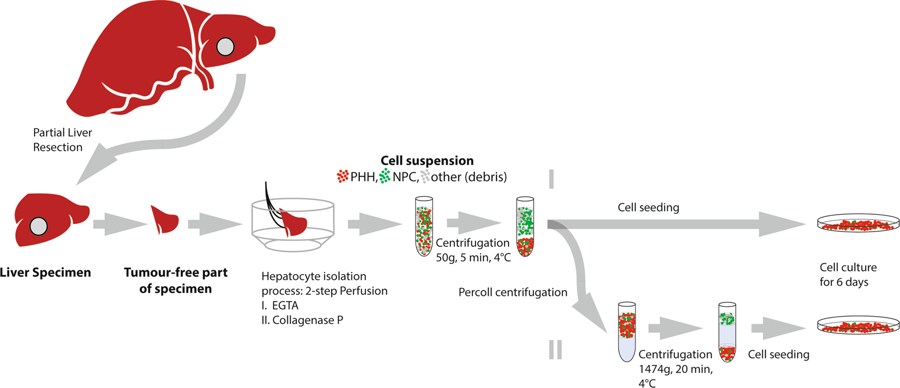
Research and therapeutic applications create a high demand for primary human hepatocytes. The limiting factor for their utilization is the availability of metabolically active hepatocytes in large quantities. Centrifugation through Percoll, which is commonly performed during hepatocyte isolation, has so far not been systematically evaluated in the scientific literature. 27 hepatocyte isolations were performed using a two-step perfusion technique on tissue obtained from partial liver resections. Cells were seeded with or without having undergone the centrifugation step through 25% Percoll. Cell yield, function, purity, viability and rate of bacterial contamination were assessed over a period of 6 days. Viable yield without Percoll purification was 42.4 × 106 (SEM ± 4.6 × 106) cells/g tissue. An average of 59% of cells were recovered after Percoll treatment. There were neither significant differences in the functional performance of cells, nor regarding presence of non-parenchymal liver cells. In five cases with initial viability of <80%, viability was significantly increased by Percoll purification (71.6 to 87.7%, p = 0.03). Considering our data and the massive cell loss due to Percoll purification, we suggest that this step can be omitted if the initial viability is high, whereas low viabilities can be improved by Percoll centrifugation.
Immunologic cellular characteristics of the tumour microenvironment of HCC
Stacks Image 28898
"Immunologic cellular characteristics of the tumour microenvironment of hepatocellular carcinoma drive patient outcomes" is available via World J Surg Oncol. 2019; 17(1):97

Anti-tumour immune competence has an impact in hepatocarcinogenesis and success of anti-cancer therapies. Tumour-infiltrating lymphocytes (TILs) and monocytes/macrophages (TAMs) are proposed to have significance in cancer. However, there is only limited data concerning their impact on patient outcome and survival in hepatocellular carcinoma (HCC).
Frequencies of CD68+, CD163+ M2-polarized TAMs and TILs were measured in de novo HCC tumours in non-cirrhosis (n = 58) using immunohistology and correlated to patients' clinicopathological characteristics and survival rates.
Patients with tumours marked by appearance of TILs and CD68+ TAMs showed an improved 1-, 3- and 5-year recurrence-free survival (all p ≤ 0.05). CD68+ TAMs were associated with reduced incidence of recurrent and multifocal disease. Conversely, CD163+ TAMs were associated with multifocal HCC and lymphangiosis carcinomatosa (all p ≤ 0.05).
TILs and CD68+ TAMs are associated with multiple tumour characteristics and patient survival in HCC. However, there is only scarce data about the biology underlying their mechanistic involvement in human tumour progression. Thus, experimental data on functional links might help develop novel immunologic checkpoint inhibitor targets for liver cancer.

Authors are G. Atanasov, K. Dino, K. Schierle, C. Dietel, G. Aust, J. Pratschke, D. Seehofer, M. Schmelzle, H.M. Hau.
Cytokine production of human CD4+ memory T cells
Stacks Image 28908
Nature Communication accepted the manuscript "Progressive expression of killer-like receptors and GPR56 defines the cytokine production of human CD4+ memory T cells" for publication. Authors are Kim-Long Truong, Stephan Schlickeiser, Katrin Vogt, David Boës, Katarina Stanko, Christine Appelt, Mathias Streitz, Gerald Grütz, Nadja Stobutzki, Christian Meisel, Christina Iwert, Stefan Tomiuk, Julia Polansky, Andreas Pascher, Nina Babel, Ulrik Stervbo, Igor Sauer, Undine Gerlach, and Birgit Sawitzki.

All memory T cells mount an accelerated response on antigen reencouter, but significant functional heterogeneity is present within the respective memory T cell subsets as defined by CCR7 and CD45RA expression, thereby warranting further stratification. Here we show that several surface markers, KLRB1, KLRG1, GPR56 and KLRF1, help define “low”, “high” or “exhausted” cytokine producers within human peripheral and intra-hepatic CD4+ memory T cells. Highest simultaneous production of TNF and IFN-γ is observed in KLRB1+KLRG1+GPR56+ CD4 T cells. By contrast, KLRF1 expression is associated with reduced TNF/IFN-γ production and T cell exhaustion. Lastly, TCRbeta repertoire analysis and in vitro differentiation support a regulated, successive expression for these markers during CD4+ memory T cell differentiation. Our results thus help refine the classification of human memory T cells to provide insights on inflammatory disease progression and immunotherapy development.
Read More
Critical Care for Potential Liver Transplant Candidates
Stacks Image 28918
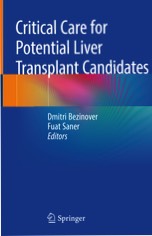
The book Critical Care for Potential Liver Transplant Candidates
(D. Bezinover and F. Saner [Eds.]) focuses on patients with end-stage-liver disease (ESLD) who could possibly qualify for liver transplant. This patient cohort raises many problems: who should be treated and also, when is it too late for transplant? The authors are all dedicated experts in the field of ESLD/liver transplantation, but from different disciplines with different views of the problem.
In the past 15 years many things have changed in the treatment for these patients: cardiac assessment, treatment of porto-pulmonary hypertension, hemodynamics, coagulation assessment and management, diagnosis of kidney failure, and the timing of dialysis. These issues are comprehensively discussed in this book, in order to provide physicians starting in the field of transplantation an overview of different areas of concern.
This book is aimed at specialists and trainees in critical care, hepatology, anesthesia, surgery, and nephrology.

N. Raschzok, K.H. Hillebrandt and I.M. Sauer contributed with the chapter "Liver Assist Systems for Bridging to Transplantation: Devices and Concepts".

More information via this link.
Read More
Percoll purification after isolation of Primary Human Hepatocytes
Stacks Image 28934
The manuscript "Isolation of Primary Human Hepatocytes: Is Percoll Purification Really Necessary?" was accepted for publication in Scientific Reports.
Authors are Rosa Horner, Jospeh G.M.V. Gassner, Martin Kluge M, Peter Tang, Steffen Lippert, Karl H. Hillebrandt, Simon Moosburner, Anja Reutzel-Selke, Johann Pratschke, Igor M. Sauer and Nathanael Raschzok.

Research and therapeutic applications create a high demand for primary human hepatocytes. The limiting factor for their utilization is the availability of metabolically active hepatocytes in large quantities. Centrifugation through Percoll, which is commonly performed during hepatocyte isolation, has so far not been systematically evaluated in the scientific literature. 27 hepatocyte isolations were performed using a two-step perfusion technique on tissue obtained from partial liver resections. Cells were seeded with or without having undergone the centrifugation step through 25% Percoll. Cell yield, function, purity, viability and rate of bacterial contamination were assessed over a period of 6 days. Viable yield without Percoll purification was 42.4 x 10⁶ (SEM ± 4.6 x 10⁶) cells/g tissue. An average of 59% of cells were recovered after Percoll treatment. There were neither significant differences in the functional performance of cells, nor regarding presence of non-parenchymal liver cells. In five cases with initial viability of <80%, viability was significantly increased by Percoll purification (71.6 to 87.7%, p=0.03). Considering our data and the massive cell loss due to Percoll purification, we suggest that this step can be omitted if the initial viability is high, whereas low viabilities can be improved by Percoll centrifugation.
Read More
Critical Care for Potential Liver Transplant Candidates
Stacks Image 28945
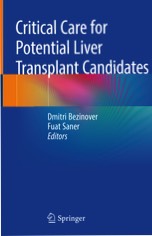
The book Critical Care for Potential Liver Transplant Candidates
(D. Bezinover and F. Saner [Eds.]) focuses on patients with end-stage-liver disease (ESLD) who could possibly qualify for liver transplant. This patient cohort raises many problems: who should be treated and also, when is it too late for transplant? The authors are all dedicated experts in the field of ESLD/liver transplantation, but from different disciplines with different views of the problem.
In the past 15 years many things have changed in the treatment for these patients: cardiac assessment, treatment of porto-pulmonary hypertension, hemodynamics, coagulation assessment and management, diagnosis of kidney failure, and the timing of dialysis. These issues are comprehensively discussed in this book, in order to provide physicians starting in the field of transplantation an overview of different areas of concern.
This book is aimed at specialists and trainees in critical care, hepatology, anesthesia, surgery, and nephrology.

N. Raschzok, K.H. Hillebrandt and I.M. Sauer contributed with the chapter "Liver Assist Systems for Bridging to Transplantation: Devices and Concepts".

More information via this link.
Read More
Composite tissue allotransplantation: opportunities and challenges
Stacks Image 28960
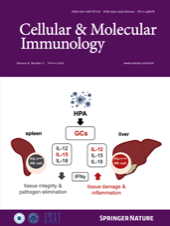
"Composite tissue allotransplantation: opportunities and challenges" is available in Cellular & Molecular Immunology (Cell Mol Immunol. 2019 Mar 6. doi: 10.1038/s41423-019-0215-3. [Epub ahead of print]). Authors are J. Iske, Y. Nian, R. Maenosono, M. Maurer, I.M. Sauer & S.G. Tullius.

Vascularized composite allotransplants (VCAs) have unique properties because of diverse tissue components transplanted en mass as a single unit. In addition to surgery, this type of transplant also faces enormous immunological challenges that demand a detailed analysis of all aspects of alloimmune responses, organ preservation, and injury, as well as the immunogenicity of various tissues within the VCA grafts to further improve graft and patient outcomes. Moreover, the side effects of long-term immunosuppression for VCA patients need to be carefully balanced with the potential benefit of a non-life-saving procedure. In this review article, we provide a comprehensive update on limb and face transplantation, with a specific emphasis on the alloimmune responses to VCA, established and novel immunosuppressive treatments, and patient outcomes.
Read More
Human stem cells promote liver regeneration after partial hepatectomy
Stacks Image 28965
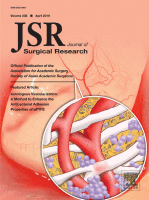
"Human Stem Cells Promote Liver Regeneration After Partial Hepatectomy in BALB/C Nude Mice" will be published in J Surg Res. 2019 (Mar 4;239:191-200. doi: 10.1016/j.jss.2019.02.010. [Epub ahead of print]).
Authors are S. Wabitsch, Ch. Benzing, F. Krenzien, K. Splith, P.K. Haber, A. Arnold, M. Nösser, C. Kamalia, F. Hermann, Ch. Günther, D. Hirsch, I.M. Sauer, J. Pratschke, and M. Schmelzle.

Mesenchymal stem cells (MSCs) have been suggested to augment liver regeneration after surgically and pharmacologically induced liver failure. To further investigate this we processed human bone marrow-derived MSC according to good manufacturing practice (GMP) and tested those cells for their modulatory capacities of metabolic alterations and liver regeneration after partial hepatectomy in BALB/c nude mice.

Human bone marrow-derived MSC attenuate metabolic alterations and improve liver regeneration after partial hepatectomy in BALB/c nude mice. Obtained results using GMP-processed human MSC suggest functional links between fat accumulation and hepatocyte proliferation, without any evidence for cellular homing. This study using GMP-proceeded MSC has important regulatory implications for an urgently needed translation into a clinical trial.
Read More
Diffusion-weighted magnetic resonance imaging using a preclinical 1 T PET/MRI
Stacks Image 28977
"Diffusion-weighted magnetic resonance imaging using a preclinical 1 T PET/MRI in healthy and tumor-bearing rats" was published in EJNMMI Res. 2019 Feb 22;9(1):21. doi: 10.1186/s13550-019-0489-6.
Authors are J. Albrecht, D. Polenz, A.A. Kühl, J.M.M. Rogasch, A. Leder, I.M. Sauer, M. Babos, G. Mócsai, N. Beindorff, I.G. Steffen, W. Brenner, and E.J. Koziolek.

Hybrid positron emission tomography and magnetic resonance imaging (PET/MRI) scanners are increasingly used for both clinical and preclinical imaging. Especially functional MRI sequences such as diffusion-weighted imaging (DWI) are of great interest as they provide information on a molecular level, thus, can be used as surrogate biomarkers. Due to technical restrictions, MR sequences need to be adapted for each system to perform reliable imaging. There is, to our knowledge, no suitable DWI protocol for 1 Tesla PET/MRI scanners.
We established a respiratory-gated DWI protocol for a preclinical 1 T PET/MRI scanner allowing to monitor growth-related changes in ADC values of orthotopic HCC liver tumors. By monitoring the changes in tumor ADCs over time, different cellular stages were described. However, each study needs to adapt the protocol further according to their question to generate best possible results.
Read More
Comparison of AR HMDs in Visceral Surgery
Stacks Image 29017
"Real World Usability Analysis of two Augmented Reality Headsets in Visceral Surgery" was accepted for publication in Artificial Organs. Authors are S. Moosburner, C. Remde, P. Tang, M. Queisner, N. Haep, J. Pratschke, and I.M. Sauer.

Recent developments in the field of augmented reality (AR) have enabled new use cases in surgery. Initial set-up of an appropriate infrastructure for maintaining an AR surgical workflow requires investment in appropriate hardware. We compared the usability of the Microsoft HoloLens and Meta 2 head mounted displays (HMDs). Fifteen medicine students tested each device and were questioned with a variant of the System Usability Scale (SUS). Two surgeons independently tested the devices in an intraoperative setting.
In our adapted SUS, ergonomics, ease of use and visual clarity of the display did not differ significantly between HMD groups. The field of view (FOV) was smaller in the Microsoft HoloLens than the Meta 2 and significantly more study subjects (80% vs. 13.3%; p < 0.001) felt limited through the FOV. Intraoperatively, decreased mobility due to the necessity of an AC adapter and additional computing device for the Meta 2 proved to be limiting. Object stability was rated superior in the Microsoft HoloLens than the Meta 2 by our surgeons and lead to increased use.
We examined the Meta 2 and the Microsoft HoloLens and found key advantages in the Microsoft HoloLens which provided palpable benefits in a surgical setting.
Read More
Nanomolar sensing of NAD
Stacks Image 29052
"The nanomolar sensing of nicotinamide adenine dinucleotide in human plasma using a cycling assay in albumin modified simulated body fluids." was published in Nature Scientific Reports.
Authors are P. Brunnbauer, A. Leder, C. Kamali, K. Kamali, E. Keshi, K. Splith, S. Wabitsch, P. Haber, G. Atanasov, L. Feldbrügge, I.M. Sauer, J. Pratschke, M. Schmelzle, and F. Krenzien.

Nicotinamide adenine dinucleotide (NAD), a prominent member of the pyridine nucleotide family, plays a pivotal role in cell-oxidation protection, DNA repair, cell signalling and central metabolic pathways, such as beta oxidation, glycolysis and the citric acid cycle. In particular, extracellular NAD+ has recently been demonstrated to moderate pathogenesis of multiple systemic diseases as well as aging. Herein we present an assaying method, that serves to quantify extracellular NAD+ in human heparinised plasma and exhibits a sensitivity ranging from the low micromolar into the low nanomolar domain. The assay achieves the quantification of extracellular NAD+ by means of a two-step enzymatic cycling reaction, based on alcohol dehydrogenase. An albumin modified revised simulated body fluid was employed as standard matrix in order to optimise enzymatic activity and enhance the linear behaviour and sensitivity of the method. In addition, we evaluated assay linearity, reproducibility and confirmed long-term storage stability of extracellular NAD+ in frozen human heparinised plasma. In summary, our findings pose a novel standardised method suitable for high throughput screenings of extracellular NAD+ levels in human heparinised plasma, paving the way for new clinical discovery studies.
Read More
Normothermic ex vivo machine perfusion
Stacks Image 29059
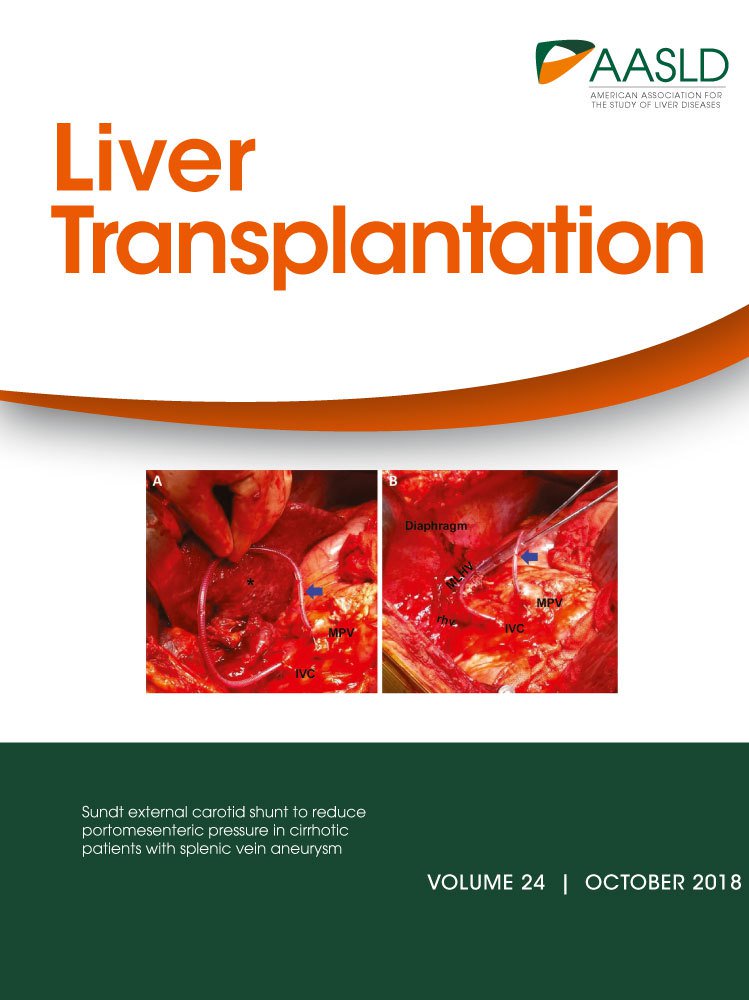
"Improvement of normothermic ex vivo machine perfusion of rat liver grafts by dialysis and Kupffer Cell inhibition with glycine" was accepted for publication in Liver Transplantation.
Authors are J. Gassner, M. Nösser, S. Moosburner, R. Horner, P. Tang, L. Wegener, D. Wyrwal, F. Claussen, R. Arsenic, J. Pratschke, I.M. Sauer, and N. Raschzok.
Normothermic ex vivo liver machine perfusion might be a superior preservation strategy for liver grafts from extended criteria donors. However, standardized small animal models are not available for basic research on machine perfusion of liver grafts. A laboratory-scaled perfusion system was developed consisting of a custom-made perfusion chamber, a pressure-controlled roller pump, and an oxygenator. Male Wistar rat livers were perfused via the portal vein for 6 hours using oxygenated culture medium supplemented with rat erythrocytes. A separate circuit was connected via a dialysis membrane to the main circuit for plasma volume expansion. Glycine was added to the flush solution, the perfusate, and the perfusion circuit. Portal pressure and transaminase release were stable over the perfusion period. Dialysis significantly decreased the potassium concentration of the perfusate and led to significantly higher bile and total urea production. Hematoxylin and eosin staining and immunostaining for ssDNA and activated caspase 3 showed less sinusoidal dilatation and tissue damage in livers treated with dialysis and glycine. While Kupffer cells were preserved, tumor necrosis factor α mRNA levels were significantly decreased by both treatments. For proof of concept, the optimized perfusion protocol was tested with DCD grafts, resulting in significantly lower transaminase release into the perfusate and preserved liver architecture compared to baseline perfusion.
Our laboratory-scale normothermic portovenous ex vivo liver perfusion system enables rat liver preservation for 6 hours. Both dialysis and glycine treatment were shown to be synergistic for preservation of the integrity of normal and DCD liver grafts.
Read More
Tumor-stromal cross-talk in PDAC
Stacks Image 29074
Hepatobiliary Pancreat Dis Int accepted the manuscript "Tumor-stromal cross-talk modulating the therapeutic response in pancreatic cancer" for publication. Authors are C.C.M. Neumann, E. von Hörschelmann, A. Reutzel-Selke, E. Seidel, I.M. Sauer, J. Pratschke, M. Bahra, and R.B.Schmuck.

Pancreatic ductal adenocarcinoma (PDAC) is a highly malignant solid tumor with a dismal prognosis. The stroma component makes up to 90% of the tumor mass and is thought to be one of the main reasons for the tumor's high chemoresistance. Cancer associated fibroblasts (CAFs) have previously been identified to be the key stromal players. This is the first time we provide detailed in vitro experiments investigating tumor-stromal interactions when exposed to three well-known chemotherapeutic agents.
Monocultures, indirect and direct co-cultures of two PDAC cell lines (AsPC and Panc-1) and six primary patients derived CAFs were treated with gemcitabine, nab-paclitaxel and the γ-secretase-inhibitor (GSI) DAPT. The cell viability of each component was measured with XTT. Finally, IL-6 concentrations of the supernatants were analyzed.
On the contrary to PDAC cell lines, CAF monocultures hardly responded to any treatment which suggested that stroma (CAFs) itself is more resistant to standard chemo-treatments than the epithelial cancer cells. Moreover, only a weak chemotherapeutic response was observed in direct co-cultures of cancer cells with CAFs. A change in the morphology of direct co-cultures was accompanied with the chemoresistance. CAFs were observed to build cage-like structures around agglomerates of tumor cells. High levels of IL-6 were also associated with a reduced response to therapy. Indirect co-cultures make the tumor-stromal interaction more complex.
Read More
Isolation of primary human hepatocytes & LiMax-test
Stacks Image 29111
Tissue Engineering (Part C: Methods) accepted our paper entitled "The predictive value of the LiMAx-test for the isolation of primary human hepatocytes".
Authors are R.D. Major, M. Kluge, M. Jara, M. Nösser, R. Horner, J. Gassner, B. Struecker, P. Tang, S. Lippert, A. Reutzel-Selke, D. Geisel, T. Denecke, M. Stockmann, J. Pratschke, I.M. Sauer, and N. Raschzok.
The need for primary human hepatocytes is constantly growing, for basic research as well as for therapeutic applications. However, the isolation outcome strongly depends on the quality of liver tissue, and we are still lacking a preoperative test that allows the prediction of the hepatocyte isolation outcome. Here we evaluated the “maximal liver function capacity test” (LiMAx) as predictive test for the quantitative and qualitative outcome of hepatocyte isolation. This test is already used in clinical routine to measure preoperative and to predict postoperative liver function.
The patient’s preoperative mean LiMAx was obtained from the patient records and preoperative CT and MRI images were used to calculate the whole liver volume in order to adjust the mean LiMAx. The outcome parameters of the hepatocyte isolation procedures were analyzed in correlation with the adjusted mean LiMAx.
Primary human hepatocytes were isolated from partial hepatectomies (n=64).
From these 64 hepatectomies we included 48 to our study and correlated their isolation outcome parameters with volume corrected LiMAx values. From a total of 11 hepatocyte isolation procedures, metabolic parameters (albumin, urea and aspartate aminotransferase) were assessed during the hepatocyte cultivation period of 5 days. The volume adjusted mean LiMAx showed a significant positive correlation with the total cell yield (p= 0.049;r= 0.242;n= 48). The correlations of volume adjusted LiMAx values with viable cell yield and cell viability did not reach statistical significance. A sub-group analysis of isolations from patients with colorectal metastasis revealed a significant correlation between volume adjusted mean LiMAx and total cell yield (p= 0.012;r= 0.488;n= 21) and viable cell yield (p=0.034;r=0.405;n=21). Whereas a sub-group analysis of isolations of patients with carcinoma of the biliary tree showed significant correlations of volume adjusted mean LiMAx with cell viability (r= 0.387;p= 0.046;n=20) and lacked significant correlations with total cell yield (r= - 0.060;p= 0.401;n=20) and viable cell yield (r= 0.012;p= 0.480;n=20). The volume-adjusted mean LiMAx did not show a significant correlation with any of the metabolic parameters. In conclusion, the LiMAx-test might be a useful tool to predict the quantitative outcome of hepatocyte isolation, as long as underlying liver disease is taken into consideration.
Read More
Mixed Reality in Visceral Surgery
Stacks Image 29170
Annals of Surgery accepted our manuscript "Mixed Reality in visceral surgery - Development of a suitable workflow and evaluation of intraoperative use-cases" for publication. The paper evaluates the application of a mixed reality (MR) head-mounted display (HMD) for the visualization of anatomical structures in complex visceral-surgical interventions. A workflow was developed and technical feasibility was evaluated. 
Medical images are still not seamlessly integrated into surgical interventions and thus, remain separated from the surgical procedure. Surgeons need to cognitively relate two-dimensional sectional images to the three-dimensional (3D) during the actual intervention. MR applications simulate 3D images and reduce the offset between working space and visualization allowing for improved spatial-visual approximation of patient and image. The surgeon’s field of vision was superimposed with a 3D-model of the patient’s relevant liver structures displayed on a MR-HMD. This set-up was evaluated during open hepatic surgery. A suitable workflow for segmenting image masks and texture mapping of tumors, hepatic artery, portal vein and the hepatic veins was developed. The 3D model was positioned above the surgical site. Anatomical reassurance was possible simply by looking up. Positioning in the room was stable without drift and minimal jittering. Users reported satisfactory comfort wearing the device without significant impairment of movement. MR technology has high potential to improve the surgeon’s action and perception in open visceral surgery by displaying 3D anatomical models close to the surgical site. Superimposing anatomical structures directly onto the organs within the surgical site remains challenging since the abdominal organs undergo major deformations due to manipulation, respiratory motion and the interaction with the surgical instruments during the intervention. A further application scenario would be intraoperative ultrasound examination displaying the image directly next to the transducer. Displays and sensor-technologies as well as biomechanical modeling and object-recognition algorithms will facilitate the application of MR-HMD in surgery in the near future. Authors are I.M. Sauer, M. Queisner, P. Tang, S. Moosburner, O. Hoepfner, R. Horner, R. Lohmann and J. Pratschke.
Read More
Cells isolated from diseased explanted livers
Stacks Image 29190
The International Journal of Artificial Organs (official journal of the European Society for Artificial Organs [ESAO]) published our paper on Isolation, characterization and cold storage of cells isolated from diseased explanted livers. Authors are Belaschk E, Rohn S, Mukiibi R, Reutzel-Selke A, Tang P, Sawitzki B, Pratschke J, Sauer IM and Mogl MT.

Livers discarded after standard organ retrieval are commonly used as a cell source for hepatocyte transplantation. Due to the scarcity of organ donors, this leads to a shortage of suitable cells for transplantation. Here, the isolation of liver cells from diseased livers removed during liver transplantation is studied and compared to the isolation of cells from liver specimens obtained during partial liver resection. Hepatocytes from 20 diseased explanted livers (Ex-group) were isolated, cultured and stored at 4°C for up to 48 hours, and compared to hepatocytes isolated from the normal liver tissue of 14 liver lobe resections (Rx-group). The nonparenchymal cell fraction (NPC) was analyzed by flow cytometry to identify potential liver progenitor cells, and OptiPrep™ (Sigma-Aldrich) density gradient centrifugation was used to enrich the progenitor cells for immediate transplantation. There were no differences in viability, cell integrity and metabolic activity in cell culture and survival after cold storage when comparing the hepatocytes from the Rx-group and the Ex-group. In some cases, the latter group showed tendencies of increased resistance to isolation and storage procedures. The NPC of the Ex-group livers contained considerably more EpCAM+ and significantly more CD90+ cells than the Rx-group. Progenitor cell enrichment was not sufficient for clinical application. Hepatocytes isolated from diseased explanted livers showed the essential characteristics of being adequate for cell transplantation. Increased numbers of liver progenitor cells can be isolated from diseased explanted livers. These results support the feasibility of using diseased explanted livers as a cell source for liver cell transplantation.
Read More
Magnetic field and cells labeled with IO particles
Stacks Image 29210
Our paper entitled "The magnetic field of magnetic resonance imaging systems does not affect cells labeled with micrometer-sized iron oxide particles," has been accepted for publication in Tissue Engineering, Part C: Methods. Authors are Martin Kluge, Annekatrin Leder, Karl H. Hillebrandt, Benjamin Struecker, Dominik Geisel, Timm Denecke, Rebeka D. Major, Anja Reutzel-Selke, Peter Tang, Steffen Lippert, Christian Schmidt, Johann Pratschke, Igor M. Sauer, and Nathanael Raschzok.

Labeling using iron oxide particles enables cell tracking via magnetic resonance imaging (MRI). However, the magnetic field can affect the particle-labeled cells. Here, we investigated the effects of a clinical MRI system on primary human hepatocytes labeled using micrometer-sized iron oxide particles (MPIOs).  HuH7 tumor cells were incubated with increasing concentrations of biocompatible, silica-based, micron-sized iron oxide-containing particles (sMPIO; 40 – 160 particles/cell). Primary human hepatocytes were incubated with 100 sMPIOs/cell. The particle-labeled cells and the native cells were imaged using a clinical 3.0-T MRI system, whereas the control groups of the labeled and unlabeled cells were kept at room temperature without exposure to a magnetic field. Viability, formation of reactive oxygen species, aspartate aminotransferase leakage, and urea and albumin synthesis were assessed over a culture period of 5 days. 
The dose finding study showed no adverse effects of the sMPIO labeling on HuH7 cells. MRI had no adverse effects on the morphology of the sMPIO-labeled primary human hepatocytes. Imaging using the T1- and T2-weighted sequences did not affect the viability, transaminase leakage, formation of reactive oxygen species, or metabolic activity of the sMPIO-labeled cells or the unlabeled, primary human hepatocytes. sMPIOs did not induce adverse effects on the labeled cells under the conditions of the magnetic field of a clinical MRI system.
Read More
BIH Paper of the Month
Stacks Image 29232
Benjamin Strücker, Hendrik Napierala and the rest of the team were awarded with the BIH Paper of the Month for their publication on a new method for developing a transplantable endocrine Neo-Pancreas.

The BIH Paper of the Month is awarded by the BIH Board of Directors to honor a special publication achievement from the joint research space of Charité and MDC. The Paper of the Month is sponsored by the Stiftung Charité as part of its Johanna Quandt Private Excellence Initiative. 

H. Napierala, K.-H. Hillebrandt, N. Haep, P. Tang, M. Tintemann, J. Gassner, M. Noesser, H. Everwien, N. Seiffert, M. Kluge, E. Teegen, D. Polenz, S. Lippert, D. Geisel, A. Reutzel Selke, N. Raschzok, A. Andreou, J. Pratschke, I. M. Sauer & B. Struecker. Engineering an endocrine Neo-Pancreas by repopulation of a decellularized rat pancreas with islets of Langerhans. Scientific Reports 7. Article number: 41777 (2017) doi:10.1038/srep41777
Read More
Engineering an endocrine Neo-Pancreas
Stacks Image 29289
Scientific Reports accepted our latest paper on „Engineering an endocrine Neo-Pancreas by repopulation of a decellularized rat pancreas with islets of Langerhans“. Authors are H. Napierala, K. Hillebrandt, N. Haep, P. Tang, M. Tintemann, J. Gassner, M. Noesser, H. Everwien, N. Seiffert, M. Kluge, E. Teegen, D. Polenz, S. Lippert, D. Geisel, A. Reutzel-Selke, N. Raschzok, A. Andreou, J. Pratschke, I.M. Sauer, and B. Struecker.
Decellularization of pancreata and repopulation of these non-immunogenic matrices with islets and endothelial cells could provide transplantable, endocrine Neo- Pancreata. In this study, rat pancreata were perfusion decellularized and repopulated with intact islets, comparing three perfusion routes (Artery, Portal Vein, Pancreatic Duct). Decellularization effectively removed all cellular components but conserved the pancreas specific extracellular matrix. Digital subtraction angiography of the matrices showed a conserved integrity of the decellularized vascular system but a contrast emersion into the parenchyma via the decellularized pancreatic duct. Islets infused via the pancreatic duct leaked from the ductular system into the peri-ductular decellularized space despite their magnitude. TUNEL staining and Glucose stimulated insulin secretion revealed that islets were viable and functional after the process.
We present the first available protocol for perfusion decellularization of rat pancreata via three different perfusion routes. Furthermore, we provide first proof-of-concept for the repopulation of the decellularized rat pancreata with functional islets of Langerhans. The presented technique can serve as a bioengineering platform to generate implantable and functional endocrine Neo-Pancreata.
Read More
Recellularization of rat livers: morphology and function
Stacks Image 29303
The Journal of Tissue Engineering and Regenerative Medicine accepted our paper „Evolution of graft morphology and function after recellularization of decellularized rat livers“ for publication.

Decellularization of livers is a well-established procedure. Data on different reseeding techniques or the functional evolution and re-organization processes of repopulated grafts remains limited. 

We established a proprietary, customized bioreactor to repopulate decellularized rat livers (n=21) with primary rat hepatocytes (150 x 106 cells) via the hepatic artery and to subsequently evaluate graft morphology and function during seven days of ex vivo perfusion. Grafts were analyzed at 1h, 6h, 12h, 24h, 3d, 5d and 7d after recellularization (all n=3) by immunohistologic evaluation, hepatocyte-related enzyme (AST, ALT, LDH) and albumin measurement in the perfusate. 
To the best of our knowledge, this is the first available protocol for repopulation of rat livers via the hepatic artery. Within the first 24 hours after repopulation, the hepatocytes seemed to migrate out of the vascular network and form clusters in the parenchymal space around the vessels. Graft function increased for the first 24 hours after repopulation with a significantly higher function compared to standard 2D culture after 24 hours. Thereafter, graft function constantly decreased with significantly lower values after six and seven days of perfusion, although histologically viable hepatocytes were found even after this period. Our data suggests that due to a constant loss of function, repopulated grafts should potentially be implanted as soon as cell engraftment and graft re-organization are completed. 

Authors are Antje Butter, Khalid Aliyev, Karl-Herbert Hillebrandt, Nathanael Raschzok, Martin Kluge, Nicolai Seiffert, Peter Tang, Hendrik Napierala, Muhammad Imtiaz Ashraf, Anja Reutzel-Selke, Andreas Andreou, Johann Pratschke, Igor Maximilian Sauer, and Benjamin Struecker.
Read More
Vascular anatomy of the juvenile Göttingen minipig
Stacks Image 29324
Lab Animal accepted our „Computed tomography-based survey of the vascular anatomy of the juvenile Göttingen minipig“ for publication.

Over the past 50 years, image-guided procedures have been established for a wide range of applications. The development and clinical translation of new treatment regimens necessitate the availability of suitable animal models. The juvenile Göttingen minipig presents a favourable profile as a model for human infants. However, no information can be found regarding the vascular system of juvenile minipigs in the literature. Such information is imperative for planning the accessibility of target structures by catheterization.

We present here a complete mapping of the arterial system of the juvenile minipig based on contrast-enhanced computed tomography. Four female animals weighing 6.13 ± 0.72 kg were used for the analyses. Imaging was performed under anaesthesia, and the measurement of the vascular structures was performed independently by four investigators. Our dataset forms a basis for future interventional studies in juvenile minipigs, and enables planning and refinement of future experiments according to the 3R (replacement, reduction and refinement) principles of animal research.


Authors are J. Siefert, K.H. Hillebrandt, M. Kluge, D. Geisel, P. Podrabsky, T. Denecke, M. Nösser, J. Gassner, A. Reutzel-Selke, B. Strücker, M.H. Morgul, S. Guel-Klein, J.K. Unger, A. Reske, J. Pratschke, I.M. Sauer, and N. Raschzok.
Read More
<<  Page 3 / 5  >>
Year
© 2025 Prof. Dr. Igor M. Sauer | Charité - Universitätsmedizin Berlin | Disclaimer

This website or its third-party tools use cookies, which are necessary to its functioning and required to achieve the purpose illustrated in the Disclaimer. By closing this banner, scrolling this page, clicking a link or continuing to browse otherwise, you agree to the use of cookies.